


Latest ads
-
 ඕනම රටකට සෙට් වෙන CV එකක්
- ErMurazor
- Updated:
-
 Hambantota 7 Acres Beachfront Land For Sell DownSouth , PerPerch Price 420 000
- 1024 Digital
- Updated:
-
 Baseus PI LITE INDOOR CAMERA
- ErMurazor
- Updated:
-
Colombo Hard Disk For Sale
- mazza
- Updated:
You are using an out of date browser. It may not display this or other websites correctly.
You should upgrade or use an alternative browser.
You should upgrade or use an alternative browser.


උඹවගේ කොන්ද පණනැති තුන්කාල් ජාතිකයකු සමග වාද කිරීමේ තේරුමක් නැත...................................
උඹ පරදී ඇති විදිය මේ නූල කියවන ඕනේ එකෙකුට පෙනනු ඇත.................
කොන්දක් නැති අනාථයා මොකෝ බයේ පැනල යන්නේ.. වෙස්මූණක් හොයාගන්න බැරිවුනාද...

@Insight
බෞද්ධ කොස්මොලොජි ගැන පොඩ්ඩක් බලමු... (ඔබම දාපු මෙම ලින්ක් එකේ තියෙන දේවල් ඔබ පිළිගෙන තියෙනවා.)
http://en.wikipedia.org/wiki/Buddhist_cosmology
මේ ගැන කියද්දී "...is the end-product of an analysis and reconciliation of cosmological comments found in the Buddhist sūtra and vinaya traditions. " මේවා සුත්ර සහ විනය ප්රකාශ අලලා ලියු බවයි කියන්නේ.
දැන් එන්න මනුෂ්ය ලෝකයට..
http://en.wikipedia.org/wiki/Buddhist_cosmology
• Manuṣyaloka (Tib: mi) – This is the world of humans and human-like beings who live on the surface of the earth. The mountain-rings that engird Sumeru are surrounded by a vast ocean, which fills most of the world. The ocean is in turn surrounded by a circular mountain wall called Cakravāḍa (Pāli: Cakkavāḷa) which marks the horizontal limit of the world. In this ocean there are four continents which are, relatively speaking, small islands in it. Because of the immenseness of the ocean, they cannot be reached from each other by ordinary sailing vessels, although in the past, when the cakravartin kings ruled, communication between the continents was possible by means of the treasure called the cakraratna (Pāli cakkaratana), which a cakravartin and his retinue could use to fly through the air between the continents. The four continents are:
○ Jambudvīpa or Jambudīpa is located in the south and is the dwelling of ordinary human beings. It is said to be shaped "like a cart", or rather a blunt-nosed triangle with the point facing south. (This description probably echoes the shape of the coastline of southern India.) It is 10,000 yojanas in extent (Vibhajyavāda tradition) or has a perimeter of 6,000 yojanas (Sarvāstivāda tradition) to which can be added the southern coast of only 3 ½ yojanas' length. The continent takes its name from a giant Jambu tree (Syzygium cumini), 100 yojanas tall, which grows in the middle of the continent. Every continent has one of these giant trees. All Buddhas appear in Jambudvīpa. The people here are five to six feet tall and their length of life varies between 80,000 and 10 years.
○ Pūrvavideha or Pubbavideha is located in the east, and is shaped like a semicircle with the flat side pointing westward (i.e., towards Sumeru). It is 7,000 yojanas in extent (Vibhajyavāda tradition) or has a perimeter of 6,350 yojanas of which the flat side is 2,000 yojanas long (Sarvāstivāda tradition). Its tree is the acacia. The people here are about 12 feet (3.7 m) tall and they live for 250 years.
○ Aparagodānīya or Aparagoyāna is located in the west, and is shaped like a circle with a circumference of about 7,500 yojanas (Sarvāstivāda tradition). The tree of this continent is a giant Kadamba tree. The human inhabitants of this continent do not live in houses but sleep on the ground. They are about 24 feet (7.3 m) tall and they live for 500 years.
○ Uttarakuru is located in the north, and is shaped like a square. It has a perimter of 8,000 yojanas, being 2,000 yojanas on each side. This continent's tree is called a kalpavṛkṣa (Pāli: kapparukkha) or kalpa-tree, because it lasts for the entire kalpa. The inhabitants of Uttarakuru are said to be extraordinarily wealthy. They do not need to labor for a living, as their food grows by itself, and they have no private property. They have cities built in the air. They are about 48 feet (15 m) tall and live for 1,000 years, and they are under the protection of Vaiśravaṇa.
මේක නම් මරු ලෝකයක්!!!
{{ The mountain-rings that engird Sumeru are surrounded by a vast ocean...}}
මොකද්ද මේ sumeru?? ( http://en.wikipedia.org/wiki/Sumeru ) එය කන්දක්... එය වටේ තව කඳු. ඒ කඳු වලටත් වටෙන් මුහුද...
http://en.wikipedia.org/wiki/Buddhist_cosmology
{{The ocean is in turn surrounded by a circular mountain wall called Cakravāḍa (Pāli: Cakkavāḷa) which marks the horizontal limit of the world.}}
මේ මුහුද වටකර කවයක් සේ ඇති කඳු තාප්පයක් (Cakravāḍa). එය තමයි ලෝකයේ තිරස් සීමාව!!!! (එහෙනම් ලෝකේ රොටියක් වගේ කිව්වේ මේකටද????)
{{In this ocean there are four continents which are, relatively speaking, small islands in it.}
විශාල මුහුදේ මහද්වීප හතරයි...
1.Jambudvīpa
2.Pūrvavideha
3.Aparagodānīya
4.Uttarakuru
ජම්බුද්වීපය අර කන්දට දකුණෙන්. "අපි" ඉන්නේ ඒකෙ තමයිලු. ඉන්දියාවේ හැඩය වගේ එකක්ලු තියෙන්නේ. ද්වීපය මැද ලොකු ජම්බු ගහක්ලු. මම නිකන් අහන්නේ.. ඒ කාලේ "ලෝකය" කියල හිතාගෙන හිටියේ ඉන්දියාවද?
තව ඒ වගේ ලෝක ගොඩක් තියෙනවා. කියවන්න... නරකය තියෙන්නේ ජම්බුද්වීපයට යටින්. හරිද?
ඔය සුමේරු (sumeru) ගැන පොඩ්ඩක් කියන්න.. (උච්චාරණය හරිද දන්නේ නෑ)
http://en.wikipedia.org/wiki/Sumeru
{{According to Vasubandhu's Abhidharmakośabhāṣyam, Sumeru is 80,000 yojanas tall. The exact measure of the yojana is uncertain, but some accounts put it at about 24,000 feet, or approximately 4-1/2 miles, but other accounts put it at about 7-9 miles. It also descends beneath the surface of the surrounding waters to a depth of 80,000 yojanas, being founded upon the basal layer of Earth. Sumeru is often used as a simile for both size and stability in Buddhist texts.}}
ඔය කන්ද තියෙන්නේ කොහෙද??
{{The 80,000 yojana square top of Sumeru constitutes the Trāyastriṃśa "heaven" (devaloka), which is the highest plane in direct physical contact with the earth.}}
උඩම ඇත්තේ දේව ලෝක...
{{The first terrace constitutes the "heaven" of the Four Great Kings and is divided into four parts, facing north, south, east and west.}}
හතර වරම් දෙයියෝ ඉන්නවලු..
{{40,000 yojanas is also the height at which the Sun and Moon circle Sumeru in a clockwise direction. This rotation explains the alteration of day and night; when the Sun is north of Sumeru, the shadow of the mountain is cast over the continent of Jambudvīpa, and it is night there; at the same time it is noon in the opposing northern continent of Uttarakuru, dawn in the eastern continent of Pūrvavideha, and dusk in the western continent of Aparagodānīya. Half a day later, when the Sun has moved to the south, it is noon in Jambudvīpa, dusk in Pūrvavideha, dawn in Aparagodānīya, and midnight in Uttarakuru.}}
මෙන්න බුද්ධාගමේ cosmology??? ඉර සහ හඳ sumeru එක වටේ කැරකෙනවලු!! ඉර කන්දට උතුරෙන් හිටියොත් ජම්බුද්වීපයට රාත්රියයි; අනිත් පැත්තට දවල්! කන්දෙන් දකුණට ඉර ආවොත් ජම්බුද්වීපයට දවල් වෙලා! මාරයි! මේක පැහැදිලි කරන්න බලන්න..
මට හිතෙන්නේ ඔබේ දහමේ (ඔබේ ක්රමයටම කිව්වොත්) මිත්යා ලෝක ගොඩායි!! ඉතින් ඔබලාට ඕව ඔක්කොම විශ්වාස කරන්න වෙනව නේද??
සුමේරු/මහමේරු is my favourite mountain

Last edited:

Deviyonwa dakalath nathuwa kohomada ban kiyanne vidyawen hoyaganne deviyo mawapu eka kiyala
ඔබට වැරදිලා. විද්යාවෙන් හොයාගන්නෙ දෙවියන් මවපු දේ ගැන තමයි..


ඔයාගේ මාර මොලේ.. ඒ කියන්නේ දැකල නැති දෙයක් පවතින්න බෑ? එහෙමද?Deviyonwa dakalath nathuwa kohomada ban kiyanne vidyawen hoyaganne deviyo mawapu eka kiyala
ඔයාගේ මාර මොලේ.. ඒ කියන්නේ දැකල නැති දෙයක් පවතින්න බෑ? එහෙමද?
 මම එහෙම නෙමෙයි කිව්වේ බන් ,මම කිව්වේ හැම එකම දෙවියෝ මැව්වා කියල කියන්න අමාරුයි කියල
Deviyonwa dakalath nathuwa kohomada ban kiyanne vidyawen hoyaganne deviyo mawapu eka kiyala


ඔබට වැරදිලා. විද්යාවෙන් හොයාගන්නෙ දෙවියන් මවපු දේ ගැන තමයි..
මේවා අහනකොට අපිට කටෙන් විතරක් නෙවෙයි අහවල් එකෙනුත් හිනා යනවා. අල්ලාහ්ගේ විද්යාගාරයේ උෘරෝ රැලගේ ඔලුව හොදට Brain Wash කරන එකනම් පල්ලියෙන් කරනවා. අනේ මේ වගේ මැටි උෘරෝ රැලක්. තමන් කියන වචන වල නූගත් සහ ලැජ්ජා සහගත බව මුන්ටවත් තේරෙන්නේ නෑ. විද්යාවෙන් මෝඩ අල්ලාහ් මවපු දේ නැවත හොයාගන්නවලු
 අනේ අනේ.
මම මෙතන ඉන්න හැමෝටම කියන්නේ කරුණාකරලා ආගම් වලට පහර ගහන එක නතර කරන්න. ඕගොල්ලෝ කොච්චර අකමැති වුණත් සිංහල අයත් මුස්ලිම් අයත් මේ රටේ ඉන්න ඕනි එකට සහජීවනයෙන්. ඒ නිසා කරුණාකරලා ආගම් වලට අපහාස කරලා ප්රශ්න ඇති කරන්න එපා.
අපේ සිංහල අයට වෙලා තියෙන්නේ ඕනම දෙයක් හොයන්නේ බලන්නේ නැතිව විශ්වාස කරනවා. මේ ඔක්කොටම මුල වෙලා තියෙන්නේ western anti Islamic වෙබ් අඩවි වල යන ඒවා කිසි හොයලා බැලිල්ලක් නෑ හැම ලබ්බම විෂ්වාස කරනවා. යකෝ මේ රටේ මීට වඩා වැදගත් ප්රශ්න තියෙනවා. තමුසෙලාට ඕනි සිංහල මුස්ලිම් ගැටුම් හදා ගන්නද?
තොපිට වෙලා තියෙන්නේ ගොන් කම ඉහට ගහලා වැඩියි.
තොපිට වෙලා තියෙන්නේ ගොන් කම ඉහට ගහලා වැඩියි.
අපේ සිංහල අයට වෙලා තියෙන්නේ ඕනම දෙයක් හොයන්නේ බලන්නේ නැතිව විශ්වාස කරනවා. මේ ඔක්කොටම මුල වෙලා තියෙන්නේ western anti Islamic වෙබ් අඩවි වල යන ඒවා කිසි හොයලා බැලිල්ලක් නෑ හැම ලබ්බම විෂ්වාස කරනවා. යකෝ මේ රටේ මීට වඩා වැදගත් ප්රශ්න තියෙනවා. තමුසෙලාට ඕනි සිංහල මුස්ලිම් ගැටුම් හදා ගන්නද?
තොපිට වෙලා තියෙන්නේ ගොන් කම ඉහට ගහලා වැඩියි.
ඔය කියන එක වැරදි කියල මම කියන්නේ නැ,ඒ උනාට ඔය දන්නේ නැති පැත්තකුත් තියෙනවා
10 Astonishing Quran verses describe black holes!
අල්ලාහ් ඉන්නවනම් මෙහෙම උනේ කොහොමද

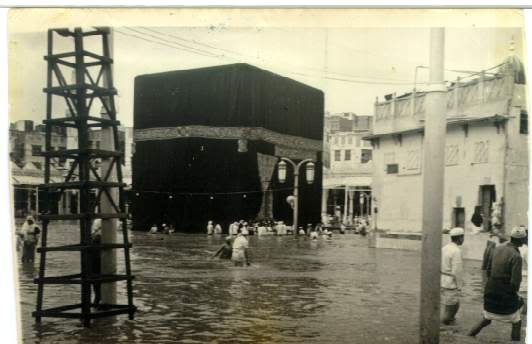

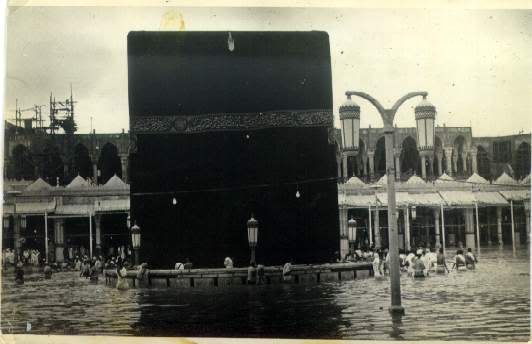
අල්ලාහ් ඉන්නවනම් මෙහෙම උනේ කොහොමද




ඔය අල්ලාහ්ගේ Test එකක් මචං. ගං වතුර එවලා බලනවා තමන්ව අදහන මැටි උෘරෝ ටික තමන්ගේ ශුද්ධ භූමිය කියන එක බේර ගනියිද කියලා බලන්න. හැබැයි අල්ලාහ්ට අමතකයි තමන් මැටි වලින් මැව්වේ මැටි හරක් ටිකක් කියලා.

ඔය අල්ලාහ්ගේ Test එකක් මචං. ගං වතුර එවලා බලනවා තමන්ව අදහන මැටි උෘරෝ ටික තමන්ගේ ශුද්ධ භූමිය කියන එක බේර ගනියිද කියලා බලන්න. හැබැයි අල්ලාහ්ට අමතකයි තමන් මැටි වලින් මැව්වේ මැටි හරක් ටිකක් කියලා.


Similar threads
- Replies
- 2
- Views
- 203

- Replies
- 20
- Views
- 1K


- Replies
- 10
- Views
- 441


- Replies
- 1
- Views
- 103


